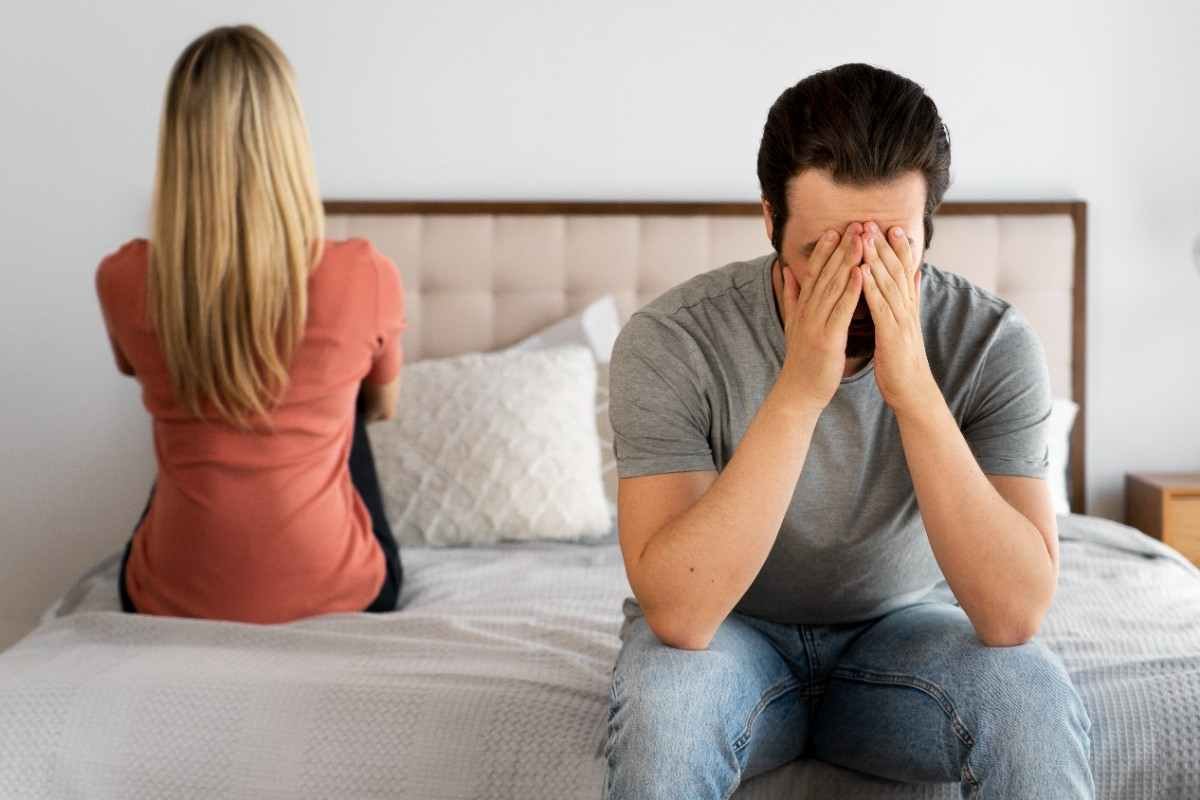
What is Sexual Anxiety?
Sexual anxiety can make intimacy feel stressful, uncomfortable, or difficult even when a person wants to have a healthy and satisfying sexual relationship. Worry about performance, pain, body image, pregnancy, past experiences, or relationship concerns can affect sexual desire, arousal, and confidence.
At Dr. Neeraj's Clinic, Noida, sexual anxiety concerns are discussed privately and without judgment. Understanding the reason behind the anxiety is an important part of finding the right approach.
What Is Sexual Anxiety?
Sexual anxiety refers to excessive worry, nervousness, fear, or self-consciousness related to sexual activity or intimacy.
It may happen before or during intimacy and can affect both emotional and physical sexual responses.
Some women may experience:
- Feeling nervous or uncomfortable before intimacy
- Overthinking sexual situations
- Fear of pain during intercourse
- Worry about sexual performance or satisfaction
- Fear of disappointing a partner
- Feeling self-conscious about their body
- Difficulty relaxing during sexual activity
- Difficulty becoming sexually aroused
- Vaginal dryness during intimacy
- Avoiding sexual activity because of anxiety
- Difficulty reaching orgasm because of tension or worry
Occasional nervousness is normal. It becomes a concern when anxiety continues or starts affecting intimacy and quality of life.
Common Causes of Sexual Anxiety
Sexual anxiety can develop for different reasons, and more than one factor may be involved.
Fear of Pain
Previous painful intercourse, vaginal dryness, or another uncomfortable sexual experience can create fear about experiencing pain again.
Performance Pressure
Some women feel pressure to become aroused quickly, satisfy their partner, or reach orgasm. This pressure can make it difficult to stay relaxed and focused on intimacy.
Body Image Concerns
Feeling uncomfortable or insecure about one's body can make it difficult to feel confident and present during intimacy.
Previous Negative Experiences
Past relationship difficulties, unwanted sexual experiences, or other distressing experiences may influence how a person feels about intimacy.
Relationship Problems
Arguments, lack of communication, emotional distance, or lack of trust can contribute to sexual anxiety.
Stress and Mental Overload
Work, family responsibilities, financial concerns, and lack of sleep can make it difficult to mentally switch off and enjoy intimacy.
Fear of Pregnancy or Sexual Health Problems
Worries about pregnancy, sexually transmitted infections, or other sexual health concerns can also create anxiety.
How Sexual Anxiety Can Affect Sexual Function
Anxiety does not only affect emotions. It can also influence the body's sexual response.
When someone is very anxious, it may become harder to relax and become aroused. This can contribute to reduced natural lubrication, discomfort, difficulty maintaining arousal, or difficulty reaching orgasm.
For some women, this creates a cycle:
Anxiety → difficulty with arousal → uncomfortable intimacy → more anxiety
Breaking this cycle often requires addressing both the physical and emotional factors involved.
Sexual Anxiety and Pain During Intercourse
Fear of pain can sometimes make intimacy particularly difficult. A woman may become tense before penetration because she expects it to hurt. This tension can make the experience more uncomfortable and increase anxiety the next time.
If intercourse is painful, it is important to look for the underlying cause rather than simply trying to tolerate the pain.
When Should You Seek Help?
Consider consulting a doctor if sexual anxiety:
- Is happening repeatedly
- Causes you to avoid intimacy
- Is affecting your relationship
- Makes intercourse difficult or painful
- Is associated with vaginal dryness
- Causes difficulty with arousal or orgasm
- Started after a distressing sexual experience
- Is causing significant emotional distress
You do not have to wait until anxiety severely affects your relationship before seeking professional support.
How Is Sexual Anxiety Evaluated?
A confidential consultation may include questions about your physical and emotional symptoms.
The doctor may discuss:
- When the anxiety started
- What situations trigger it
- Previous painful or uncomfortable sexual experiences
- Sexual desire and arousal
- Vaginal dryness or pain
- Menstrual and hormonal history
- Current medications
- Stress and sleep
- Relationship and communication concerns
- Previous medical or sexual health problems
Depending on your symptoms, a physical examination may also be recommended to rule out an underlying medical cause.
Treatment for Sexual Anxiety
Treatment depends on what is contributing to the anxiety. In many cases, addressing both physical symptoms and emotional concerns is helpful.
Treatment or management may include:
- Treating vaginal dryness or painful intercourse
- Addressing an underlying medical or hormonal condition
- Counseling or sex therapy when appropriate
- Stress and anxiety management
- Improving communication between partners
- Gradual approaches to rebuilding comfort and confidence with intimacy
- Reviewing medicines that may be affecting sexual function
- Education about sexual health and normal sexual responses
There is no need to feel pressured to follow a particular treatment approach. Your care should be based on your symptoms, concerns, and personal circumstances.
Tips for Managing Sexual Anxiety
Some simple changes may help reduce pressure around intimacy:
- Talk openly with your partner about your concerns
- Do not treat orgasm or penetration as the only measure of sexual satisfaction
- Allow enough time for relaxation and arousal
- Avoid forcing intimacy when you are uncomfortable
- Address pain or dryness instead of ignoring it
- Practice stress-reduction and relaxation techniques
- Avoid comparing your sexual experiences with unrealistic expectations from media or pornography
- Seek professional help if anxiety continues
Confidential Sexual Wellness Consultation in Noida
Sexual anxiety is common and can be influenced by physical health, emotions, relationships, and past experiences. It does not mean that something is permanently wrong with you.
At Dr. Neeraj's Clinic in Noida, sexual health concerns are discussed with privacy, understanding, and a non-judgmental approach.
If anxiety is affecting your intimacy, arousal, or sexual confidence, book a confidential consultation with Dr. Neeraj's Clinic to understand the possible causes and discuss appropriate treatment and support.
Assessment and treatment approach
Confidential Discussion
Sensitive concerns are discussed privately with respectful, non-judgmental communication.
Medical Assessment
Symptoms, medical history, lifestyle, relationship context, and reports are reviewed where relevant.
Individualised Plan
Care is planned around the concern, health background, comfort level, and consultation preference.
Follow-up Guidance
Follow-up support helps track progress, clarify questions, and adjust the plan when needed.
When should you consult a doctor?
How consultation and treatment are planned.
Book Consultation
Choose clinic, call, WhatsApp, or online consultation and share a brief concern.
Discuss Your Concern
The consultation starts with a private discussion of symptoms, history, expectations, and relationship context.
Medical Assessment
Relevant health, lifestyle, psychological, and report-based factors are reviewed before suggesting next steps.
Personalised Treatment Plan
A responsible plan may include counselling, lifestyle guidance, medical treatment, follow-up, or referral when needed.